Despite a common origin with cannabis, CBD is not classified as a narcotic substance in France. Some authorized varieties have distinct terpene profiles, altering the effects felt by users. Authorities tolerate its commercialization as long as the THC content remains below 0.3%.
The global CBD market is experiencing rapid growth, with a diversification of products ranging from oils to cosmetics to food. However, legal uncertainties remain depending on the countries, creating notable disparities in access and use.
CBD, a thriving universe: origins, properties, and legal framework
Cannabidiol, derived from hemp, intrigues as much as it attracts. This molecule, related to THC but devoid of its psychoactive effects, has paved the way for a multitude of contemporary uses: cosmetics, food, wellness. Unlike THC, classified as a narcotic, CBD does not alter perception or alertness. This unique status has allowed for the explosion of a new market, with products that focus on relaxation without altering the mind.
In France, the commercialization of CBD comes with strict rules. The THC content cannot exceed 0.3%, in accordance with the European framework. The Court of Justice of the European Union has even ruled that a cannabidiol product, legally cultivated in a member state, cannot be banned elsewhere in the Union. This decision has accelerated the growth of the French market, fostering the emergence of new players and innovative formats like cbd wax, which stands out for its properties and method of use.
The scientific community is seriously examining the properties of cannabidiol: anti-inflammatory effects, anxiolytic, antioxidant… CBD intrigues for its multiple facets, without causing dependence or euphoria. However, the regulatory context remains fluid, sometimes ambiguous, and imposes increased vigilance on professionals: rigorous laboratory analyses, ongoing monitoring of THC levels, and impeccable purity. In response to a growing demand for safe and traceable products, specialized shops are enhancing transparency and guarantees.
What are the different types of CBD products and how to use them in daily life?
CBD is now available in a wide range of products, each designed for specific uses and varied profiles.
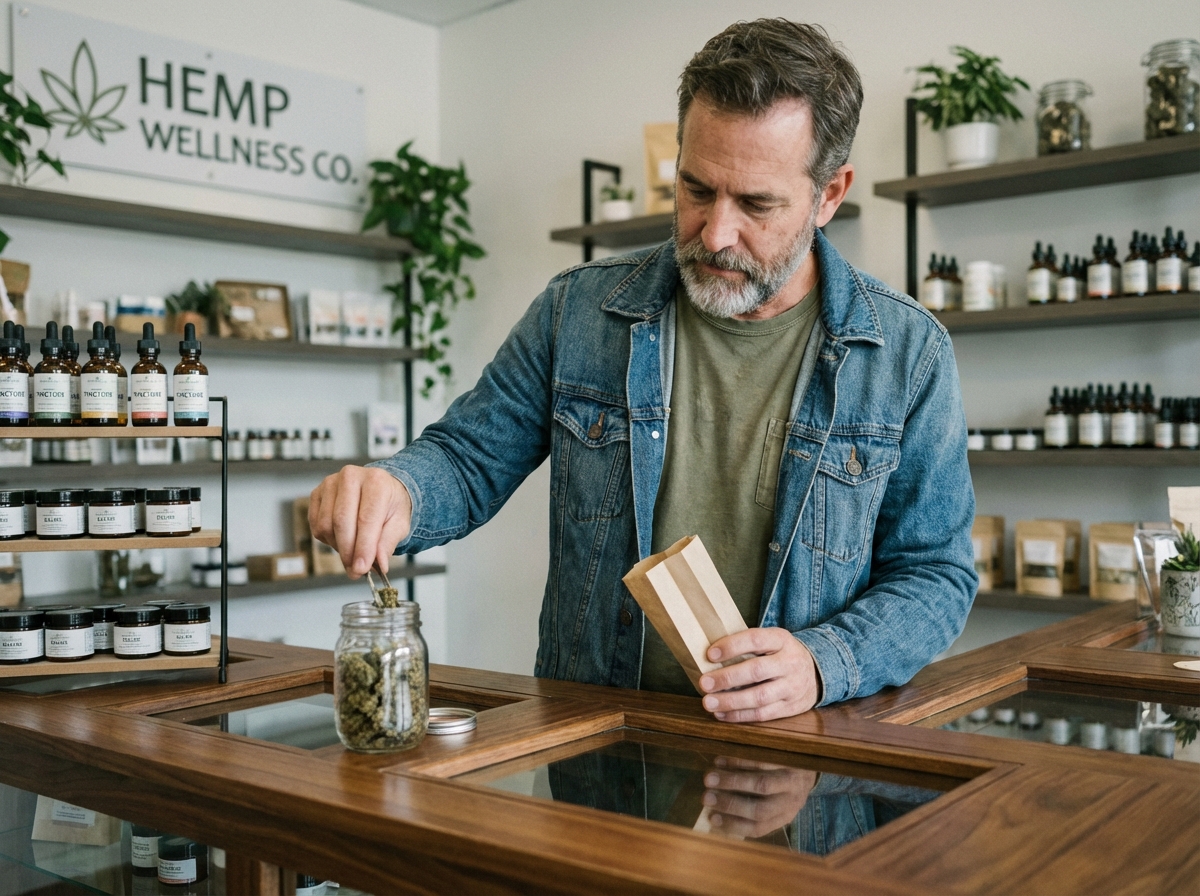
CBD flowers hold a prominent place among connoisseurs. Derived from rigorously selected varieties, they display strictly regulated levels of CBD and THC. Enthusiasts prefer infusion, vaporization, or incorporation into recipes. This choice allows for full enjoyment of the aromas and effects of cannabidiol, without resorting to combustion.
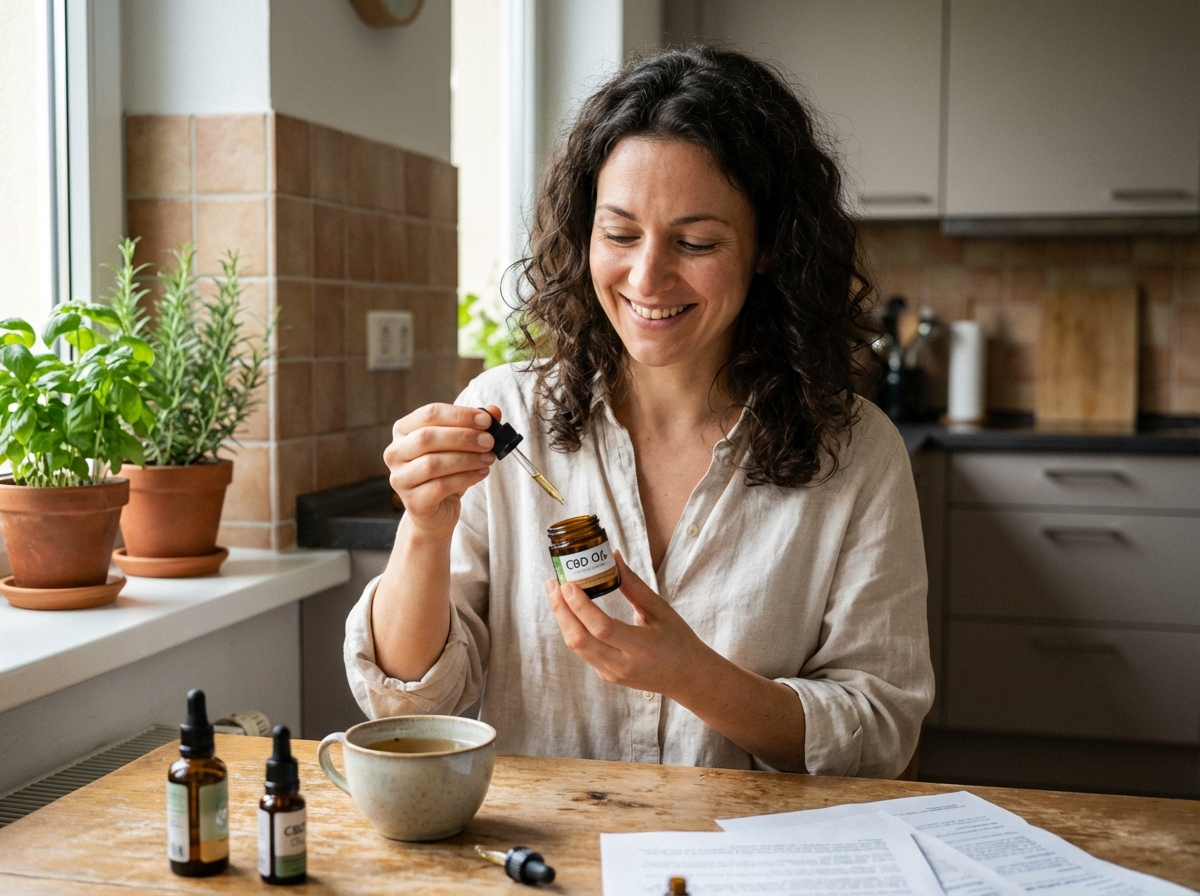
Another highly appreciated format is CBD oils. Their versatility makes them a flagship product: a few drops under the tongue, in yogurt, or in a hot drink, and one benefits from a precise dose, easy to adjust according to daily needs, whether for relaxation or better stress management.
CBD trim attracts budget-conscious customers. A mixture of leaf and flower fragments, it retains an interesting aromatic profile and a cannabidiol concentration suitable for daily use, particularly in infusion or cooking.
Here are other products commonly found in specialized CBD shops:
- Resins, creams, capsules, or herbal teas, all alternatives that adapt to different consumption modes and targeted wellness searches.
- Systematic laboratory analyses, ensuring compliance with CBD and THC levels, as well as traceability of sold batches.
- Some retail outlets in France offer free delivery from a certain amount, making these cannabis extracts more accessible to those who want to combine reliability and transparency.
Terpenes, benefits, and prospects: why take a close interest in the world of CBD today
Attention is now turning to terpenes, these aromatic compounds naturally present in hemp. Their association with cannabidiol gives rise to what researchers call the entourage effect: a synergy that, according to some, would enhance the relaxing or soothing potential of CBD. Informed consumers thus prefer products that retain the full plant spectrum, seeking an authentic and complete experience.
The benefits attributed to CBD continue to attract attention, both from user feedback and clinical studies. Relief from pain, improved sleep, anxiety management: testimonials are multiplying, and research is intensifying in several European countries. This dynamic is accompanied by an evolution of preferences: sublingual oils, infusions, skin care creams… everyone finds the format that suits them.
Prospects and developments
Several trends are shaping the future of the sector:
- The demand for products with controlled concentration continues to grow, driven by the appeal of naturalness and transparency.
- In-depth analysis of terpenes encourages new extraction and formulation techniques.
- Consumer expectations guide the choice of varieties, traceability, and quality of production.
CBD is now establishing itself as a field of innovation where the heritage of hemp intersects with today’s demands. Eyes are turning to the future, where terpenes, the entourage effect, and daily uses are already shaping the landscape of tomorrow.