Which pieces truly transcend the seasons and which ones do not survive to the next collection? The fashion trends of this season are characterized by a tug-of-war between ephemeral micro-trends and garments designed to last. Comparing these two approaches helps to understand where to allocate your budget and how to create a cohesive style without refreshing your wardrobe every three months.
Seasonless pieces versus micro-trends: what the collections reveal
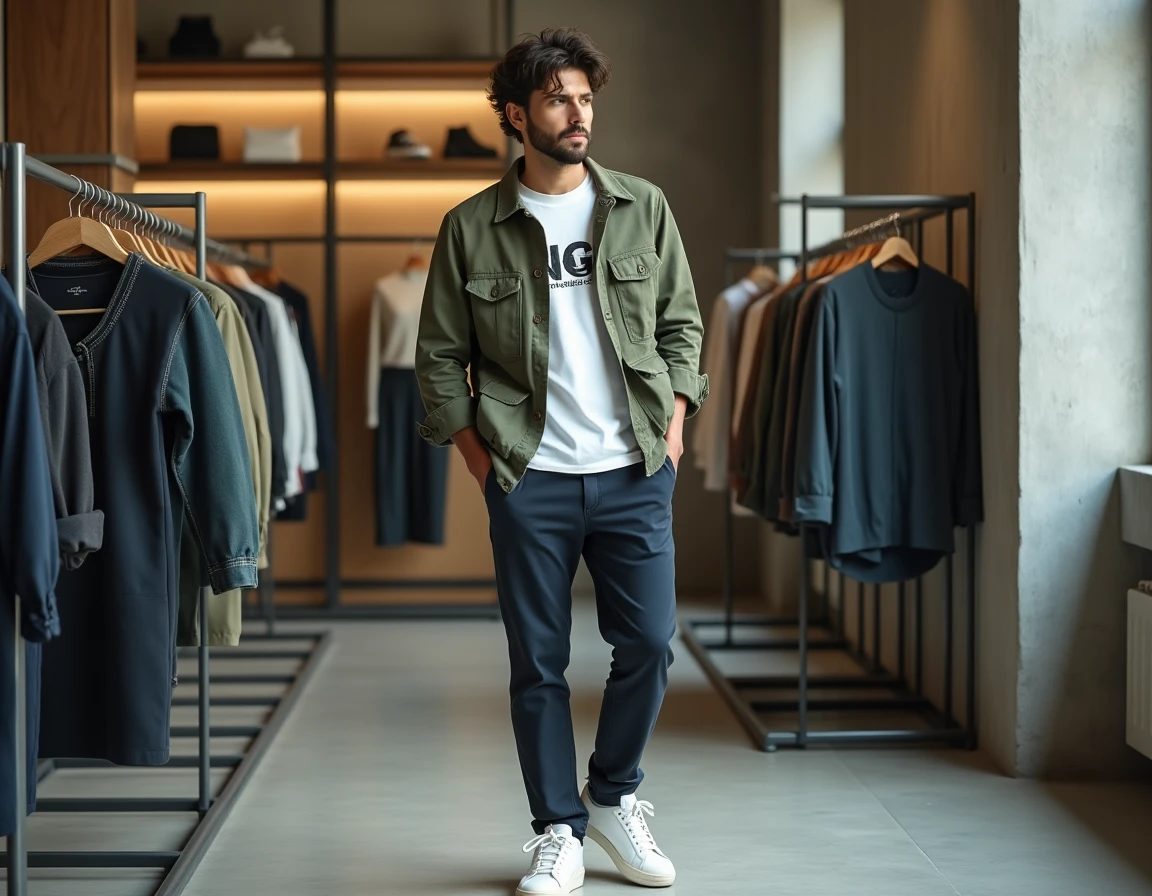
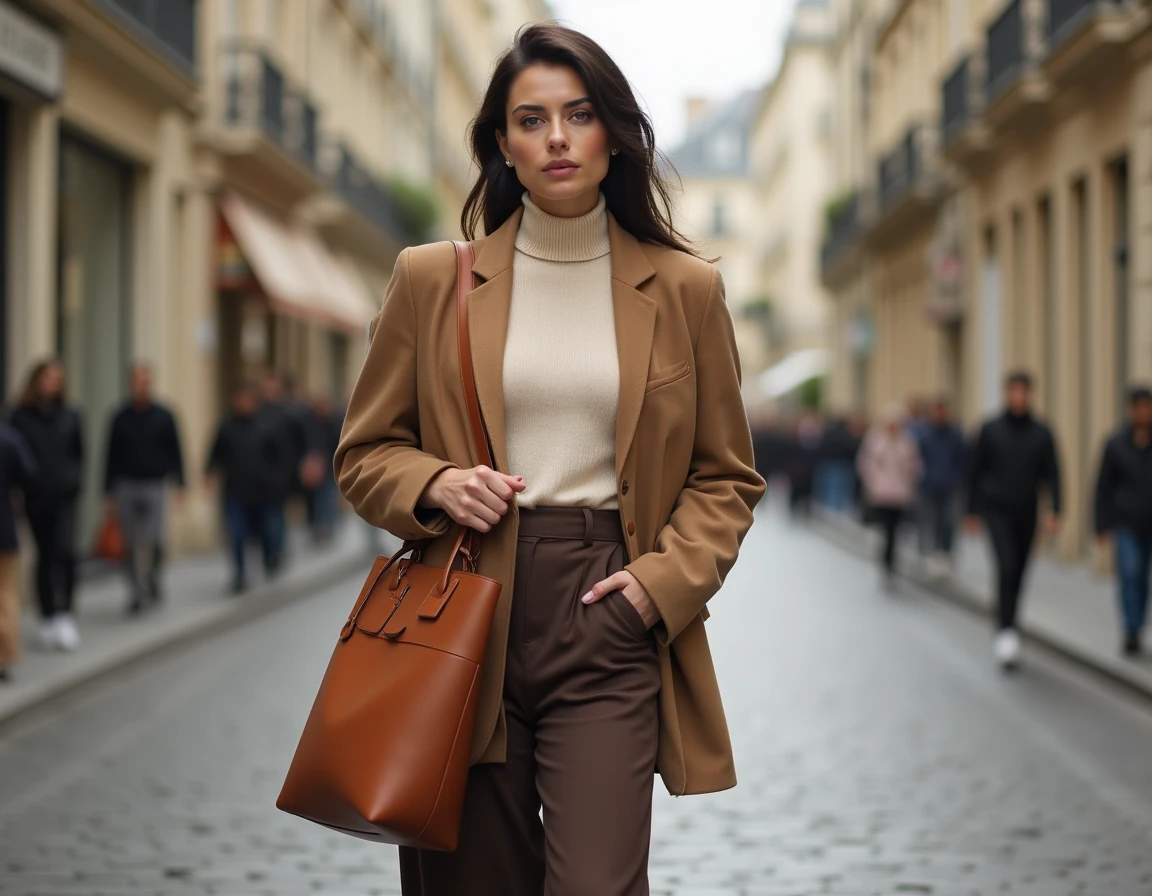
The distinction between a durable piece and a disposable one does not lie in the price, but in versatility. Reports from the Federation of Haute Couture and Fashion and the Global Fashion Agenda have pointed out since 2023 an increased demand for quality basics that can be worn from spring to autumn: lightweight blazers, shirt dresses, fluid trousers.
In contrast, certain cuts or strongly marked colors disappear as soon as the next season. The table below contrasts the two categories based on concrete criteria.
| Criterion | Seasonless Piece | Micro-Trend |
|---|---|---|
| Wardrobe lifespan | Several seasons (spring to autumn) | One season, sometimes less |
| Cost per use | Low (worn regularly) | High (worn a few times) |
| Style versatility | Compatible with the majority of the wardrobe | Requires specific pairings |
| Impact on annual budget | Reduces impulse purchases | Encourages frequent renewal |
| Examples this season | Structured blazer, straight jeans, shirt dress | Monochrome XXL prints, harem cuts |
By following fashion trends on Lydie Tendances, it is noted that the most consulted pieces by readers predominantly correspond to the left column.
Recycled materials and textile traceability: the regulatory influence on style
The European Union’s strategy for sustainable textiles, which is being gradually implemented until 2030, is already changing the available offerings in stores. Brands are increasing the share of recycled materials, reducing microplastics, and improving information on garment care.
Specifically, this season sees a more visible offering of recycled denim, certified organic cotton, and alternatives to virgin polyester. Jeans, a central piece of any wardrobe, are directly affected: several brands now offer classic cuts (straight, slightly flared) in fabrics containing a significant proportion of recycled fibers.
What traceability changes for the consumer
Labels are becoming more detailed. The origin of the fiber, the country of manufacture, and environmental certifications are presented more clearly. This is not just an aesthetic detail: traceability influences the choices of available colors and cuts, as certain dyes or finishes are gradually being abandoned for regulatory reasons.
Natural shades (ecru, beige, soft khaki) are gaining ground not only for aesthetic reasons but also because their dyeing process generates fewer chemical discharges. Bright colors are not disappearing, but they are focusing on accessories or small series pieces.
Rental and second-hand: adopting trends without buying new
Articles on fashion trends rarely address how to follow them without multiplying new purchases. Platforms like Vinted or Vestiaire Collective have made second-hand shopping common in France. Specialized rental services also allow for wearing a statement piece for a season and then returning it.
This approach changes the logic of adopting trends:
- Seasonless pieces (blazer, fluid trousers, shirt dress) are bought new or second-hand, as they will be worn for a long time and amortized
- Micro-trends (strongly marked prints, ephemeral cuts, seasonal colors) are rented or bought second-hand to limit cost and environmental impact
- Accessories (bags, belts, jewelry) are the most cost-effective lever to update a look without touching the basics
Combining sustainable purchases with occasional rentals reduces the annual fashion budget while allowing for experimentation with varied looks. Style no longer depends on the volume of purchases, but on the relevance of combinations.
Colors and cuts to remember for this autumn-winter season
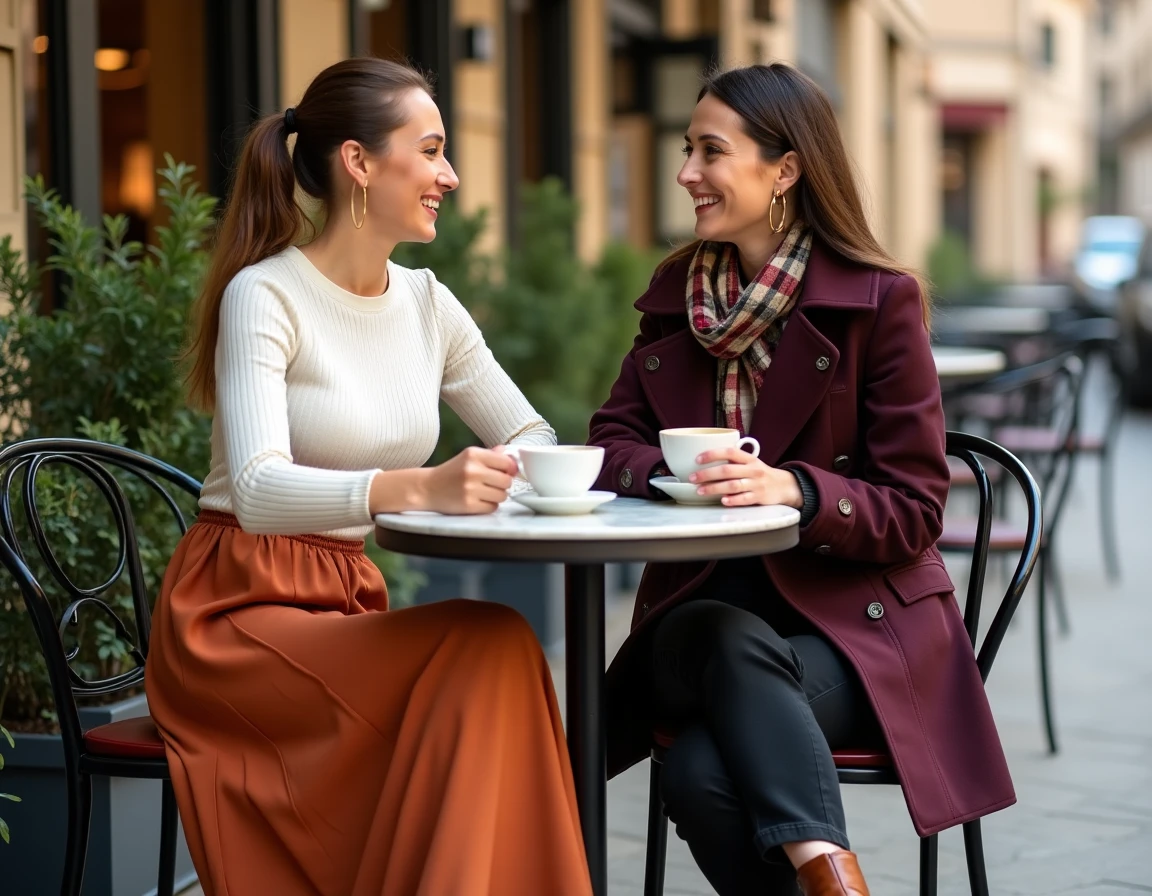
The autumn-winter 2025-2026 shows confirm several directions. The knee-length skirt is returning in the collections of major houses as an intermediate piece, wearable both at the office and outdoors. The flare cut, on trousers and jeans, is asserting itself against the skinny, which has been losing ground for several seasons.
Dominant color palette
The colors of this season oscillate between sobriety and occasional bursts. The butter yellow, spotted on several spring-summer 2026 runways, remains present in autumn on accessories and lightweight sweaters. Neutral tones (stone gray, off-white, frozen brown) form the base of the majority of the presented looks.
In contrast, saturated colors (bright red, electric blue) mainly appear on unique pieces intended to structure an otherwise sober silhouette. One colorful piece is enough to anchor a look in the current season.
Silhouette-defining cuts
Tapered trousers and extra-long coats dominate the autumn-winter proposals. Faux fur is gaining in textile quality thanks to new constraints on materials, making it visually more convincing. The oversized sweater, already identified as a strong trend for spring-summer 2026, continues into autumn in denser knits.
- The structured blazer remains the most versatile piece of the season, wearable over jeans as well as a dress
- The barrel jean (tapered cut) is gaining popularity against the slim, with a more relaxed silhouette
- The cotton or linen shirt dress can be worn alone on nice days, then layered with a turtleneck in autumn
Focusing on three to four well-chosen pieces rather than a dozen impulsive purchases creates a more coherent and easier-to-coordinate wardrobe. The fashion trends of this season reward selection over accumulation, and textile quality becomes a criterion of style as much as durability.