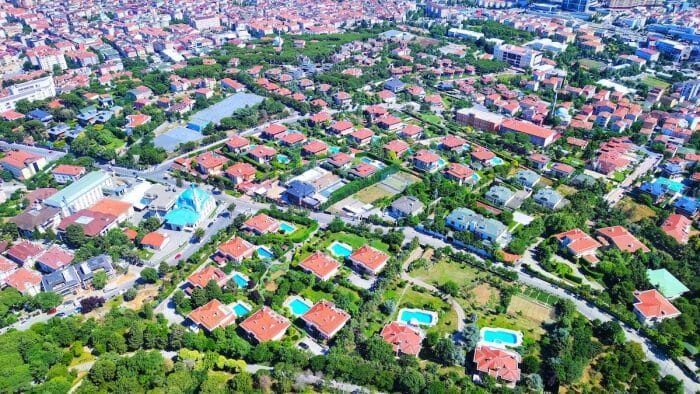
Navigating the world of residential pools can be a challenge. This is especially true when it comes to choosing the ideal size of our pool while optimizing our taxes. Indeed, these two aspects are closely linked, as the size of the pool can significantly influence property tax. That’s why it is crucial to understand how these factors interact with each other and to be well-informed before making a decision. It is wise to consider other elements such as available space, local regulations, budget, and the intended use of the pool.
Beyond aesthetic and practical criteria, the size of your pool can also have a significant impact on your taxes. In fact, according to regulations in certain jurisdictions, a small pool may be considered a minor improvement to your property and therefore not subject to property tax.
This is where the concept of ‘non-taxable pool’ comes into play. It refers to a maximum size defined by tax authorities beyond which you could be subject to additional taxes. This limit varies from place to place, so it is important to inquire with the relevant services to be aware of it.
To optimize your taxes while enjoying a beautiful pool, here are some tips to keep in mind:
• Know the local regulations: Find out about specific limitations related to pool dimensions in your area or municipality. Some places impose strict restrictions to preserve the landscape and avoid any visual nuisance.
• Consider the available space: Before even choosing the ideal size for your pool, take into account the space you have. Opting for a size that is too large could compromise the harmonious integration of the pool into your garden.
• Learn about tax benefits: Some municipalities offer incentives that encourage the construction of small non-taxable pools, thus providing homeowners with a significant reduction in their property tax. Check with local authorities to find out about the tax benefits available to you.
• Consider the intended use: Think about how you will use your pool. If it is primarily for relaxation and leisure, a smaller size may be sufficient. However, if you plan on engaging in sports activities or hosting many gatherings, it may be better to consider a larger size.
When choosing the ideal size for your pool, avoid these common mistakes:
• Not checking the local regulations: Building a pool without complying with regulations can lead to costly fines and even the requirement to completely remove the pool.
• Ignoring tax implications: Failing to consider the consequences on property tax can end up weighing heavily on your finances.
• Relying solely on personal desires: While your personal tastes are important in choosing your pool, it is also essential to consider regulatory and tax criteria to make the best possible decision.
Choosing the ideal size for your pool while optimizing your taxes requires caution and thorough research. By taking into account the regulatory and tax criteria specific to your area as well as your personal needs, you can fully enjoy your pool while avoiding unpleasant financial surprises.
In some cases, the size of your pool can even allow you to benefit from other tax advantages. For example, if your pool is considered an eco-friendly feature or an energy-efficient installation, you may be eligible for tax credits or government grants.
Indeed, some jurisdictions encourage homeowners to choose equipment that promotes water and energy conservation. A smaller pool with a high-performance filtration system or solar heating could save you not only on your monthly bills but also reduce your annual taxes.
You must keep in mind that this can vary depending on various factors such as geographic location, size, and specific features of your pool.
Before investing in a pool, you should consider practical and aesthetic considerations. The tax benefits related to size and technical features can be substantial. By being well-informed about local regulations, considering environmentally responsible options, and taking into account the financial potential this represents, you can make an informed decision that will optimize not only your enjoyment but also your taxes.
As part of your reflection on the ideal size of your pool, it is crucial to take into account the tax implications related to this choice. Indeed, opting for a specific dimension can have a significant impact on your tax obligations.
You should emphasize that in some countries, the size of a pool can be considered a determining criterion for assessing the rental or cadastral value of your property. Therefore, wisely choosing the size of your pool could allow you to lighten the tax burden associated with it.
According to the local and national regulations in force where you live, different rate brackets may apply based on the exact dimensions of your pool.
When deciding on the size of your pool, it is crucial to avoid certain mistakes that could impact your taxes. The first mistake to avoid is choosing a pool that is too large for your actual needs. An oversized pool can not only increase the initial construction costs but also lead to higher maintenance fees and increased water and energy consumption.
On the other hand, opting for a pool that is too small can also be problematic. You may find yourself limited in your aquatic activities and unable to fully enjoy the pleasures that a pool offers.
Another common mistake is neglecting the available space in your garden. Before finalizing the size of your future aquatic oasis, ensure that your land can comfortably accommodate this new installation without encroaching on other outdoor spaces or compromising circulation around the house.
Do not underestimate the role of the surrounding landscape in appropriately choosing the size of your pool. It is important to preserve the overall aesthetics and thus enhance your property.
Remember that each municipality has its own regulations regarding the maximum dimensions allowed for structures such as pools. Check with the relevant authorities before making any final decision to avoid any issues related to non-compliance.
Choosing the ideal size for your pool requires careful consideration of several factors such as your needs, available space, surrounding landscape, and local regulations. By avoiding the mistakes mentioned earlier, you can optimize your taxes while fully enjoying the refreshing joys of a pool that meets your expectations.