
Tingling in the hands, diffuse warmth in the belly, the feeling that the body is floating or, on the contrary, weighs a ton: these manifestations often surprise those who are new to meditation. They can also occur in regular practitioners, sometimes after months of sessions without feeling anything particular. Understanding what the body expresses during practice helps to meditate with more serenity, and especially to identify the rare signals that deserve more sustained attention.
Why the body reacts physically during meditation
Have you ever noticed that your jaw relaxes spontaneously after a few minutes of conscious breathing? This relaxation is nothing mystical. When attention refocuses on the breath and the mind slows down, the autonomic nervous system gradually shifts from sympathetic mode (alert, tension) to parasympathetic mode (rest, recovery).
This shift concretely alters blood circulation, muscle tone, and skin temperature. The sensations you perceive are the direct translation of these physiological adjustments. A muscle that has been contracted for hours relaxes: you feel a tingling. The heart rate decreases: a wave of warmth flows through the chest.
Each physical sensation during meditation reflects a rebalancing of the body, not a dysfunction. This point is crucial to avoid panicking in the face of an unexpected manifestation.
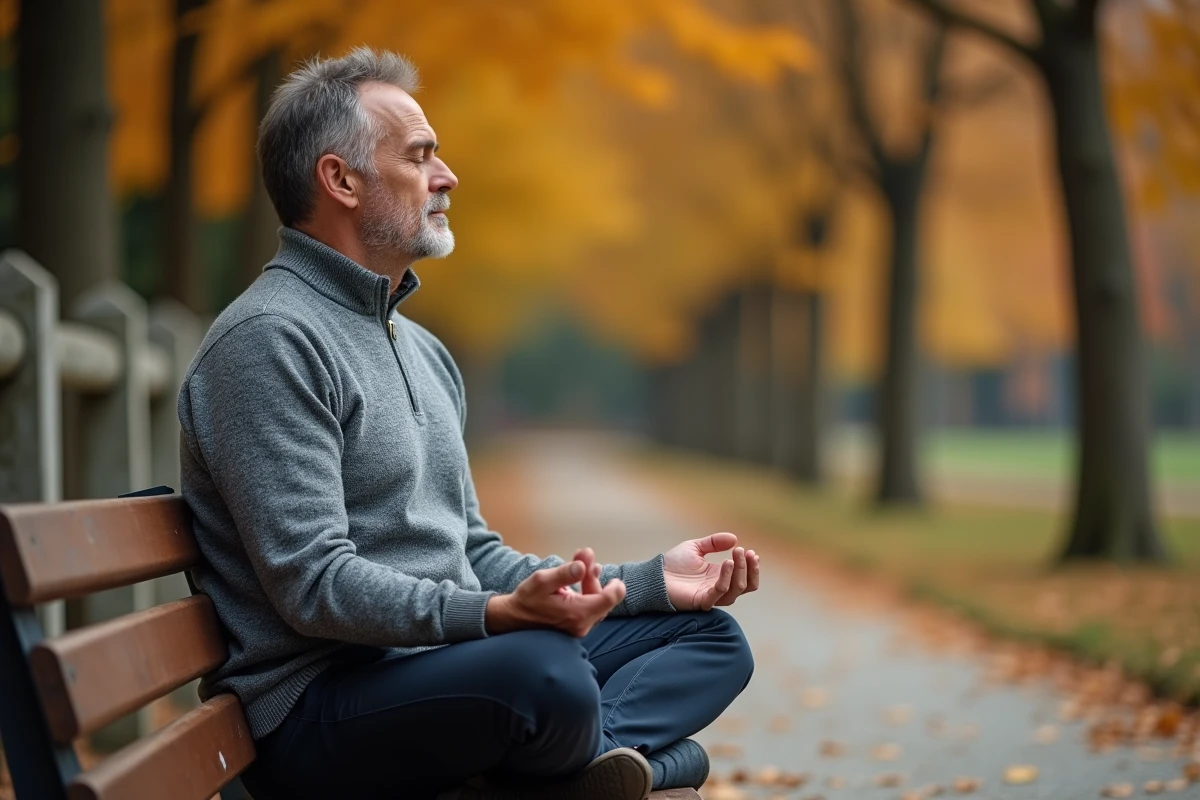
Common sensations in meditation and what they indicate
Not all bodily manifestations mean the same thing. Some accompany muscle relaxation, while others reflect a change in self-awareness. Here are the most common:
- Tingling or pins and needles in the extremities: they appear when breathing slows down and the oxygenation of peripheral tissues changes slightly. The immobile posture also contributes to this.
- Sensation of heaviness or extreme lightness: the brain receives fewer proprioceptive signals when the body remains perfectly still. It recalibrates its perception of body weight, producing the feeling of floating or sinking.
- Localized warmth in the chest or abdomen: the relaxation of the diaphragm improves circulation in the central area of the body. The resulting warmth is a reliable sign of deep relaxation.
- Involuntary muscle twitches: a brief spasm of the arm, leg, or eyelid occurs when a muscle group held under tension suddenly releases. This is common during the first sessions or after a stressful day.
None of these sensations require interrupting the session. They generally dissipate within a few seconds if you simply bring your attention back to the breath, without trying to analyze or prolong what you feel.
When a sensation persists or becomes unpleasant
A sharp pain in the knee or lower back often signals a posture problem, not a meditative phenomenon. Adjust your position. If nausea or dizziness occurs, open your eyes and breathe normally for a few moments before resuming.
The practical rule is simple: any sensation that increases in intensity despite a calm return to breathing deserves to be taken seriously, especially if it recurs in every session.
Meditation and trauma: distinguishing relaxation from dissociation
This topic is rarely addressed in beginner meditation guides, and it is a problem. For individuals with a history of psychological trauma, some sensations that resemble deep relaxation may actually correspond to the onset of dissociation.
What dissociation looks like during practice
Dissociation manifests as a disconnection between the body and consciousness. Specifically, the person no longer feels their bodily boundaries, has the impression of observing the scene from the outside, or abruptly loses the sense of time (and not gradually).
The difference from a deep meditative state lies in two criteria:
- During deep meditation, consciousness remains present and attention can be redirected voluntarily. The person chooses to stay in this state and can exit at any moment.
- During a dissociative episode, returning to full body awareness is difficult. The person feels “stuck” or takes several minutes to regain their sensory bearings after the session.
A report from the American Psychological Association dated March 2025 noted an increase in reports of transient psychological side effects, such as paradoxical anxiety, during intensive meditations in group retreats. The increased practice since the post-pandemic period partly explains this rise.
Adapting practice when carrying a traumatic experience
Body-centered meditation (body scan, attention to sensations) can reactivate somatic memories in affected individuals. Practicing with a professional trained in trauma is therefore the most effective precaution, especially during the first few weeks.
Some concrete adjustments help maintain sufficient grounding: keeping the eyes slightly open rather than closed, placing the feet flat on the ground, shortening sessions to five or ten minutes, and prioritizing concentration on an external object (a sound, a candle) rather than on internal sensations.
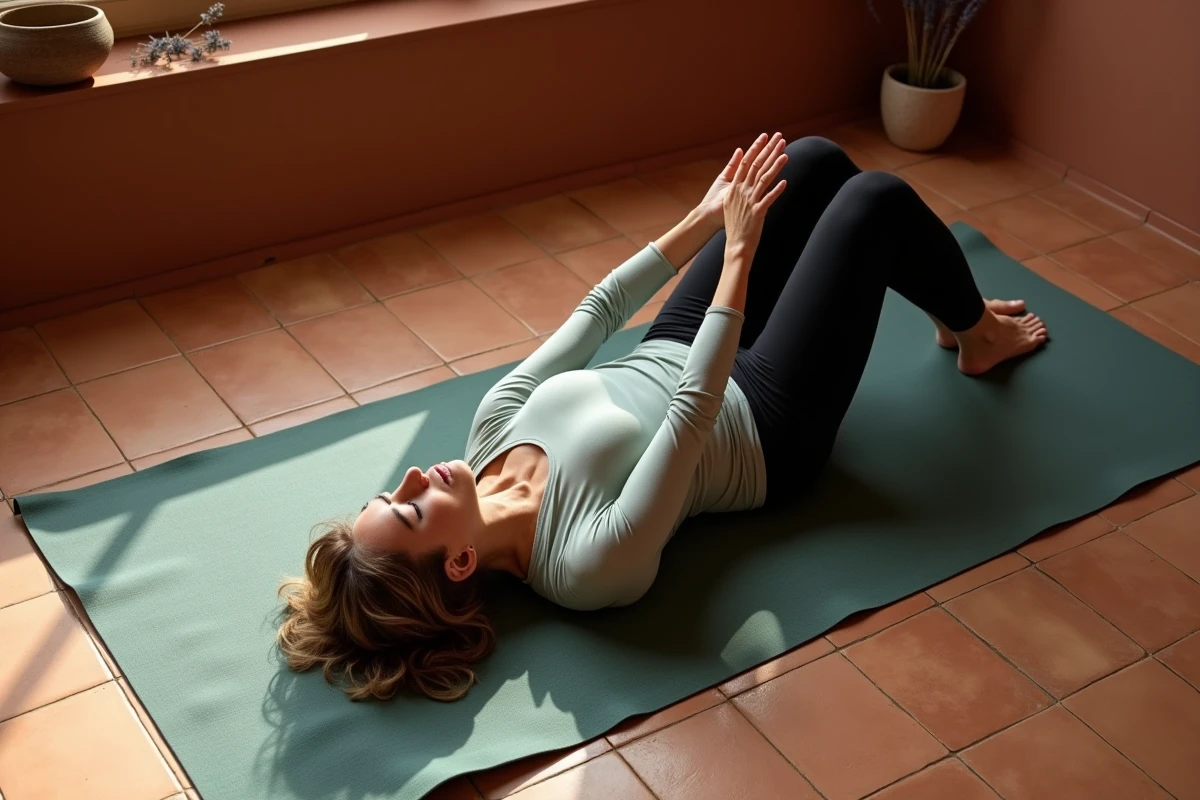
Physical sensations in meditation: should you seek them or ignore them
Neither. Actively seeking to reproduce a sensation (pleasant warmth, the feeling of floating) diverts attention from its main object, which is the breath or the chosen point of concentration. The practice then becomes a sensory quest, which is the opposite of mindfulness.
Ignoring sensations poses another problem: you miss out on useful information about your state of tension, fatigue, or stress. The body communicates, and meditation offers a rare space to listen to these messages.
The approach that works is to note the sensation without judging it, then return to the breath. “Oh, warmth in the hands” is sufficient as a mental observation. No need to interpret, name a chakra, or seek symbolic meaning. Simply noticing, without clinging, gradually develops concentration ability and body awareness.
Meditation does not need to produce spectacular sensations to be effective. The most ordinary sessions, those where “nothing special” happens, are often the ones that best anchor the practice over time. The body always ends up speaking, provided you give it time, without forcing the conversation.